No Data Yet
On December 12, 2025, Broadcom's disappointing gross margin outlook triggered a broad sell-off in the technology sector, causing major US equity indexes to close lower.
Zeta Global Holdings (ZETA) shares fell 10.87% over seven days after Broadcom warned of thinner margins on AI systems, triggering a tech sector sell-off.
U.S. tech stocks like Oracle and Broadcom rebounded in premarket trading after a heavy selloff that saw Broadcom lose $422 billion in market value over five days.
JPMorgan warns that "extreme crowding" in speculative growth stocks like Broadcom, which has fallen over 21%, creates high risk for a sharp market reversal.
JPMorgan Chase boosts its 2026 data center capital expenditure growth forecast to over 50%, representing an incremental spending increase of more than $150 billion.
Broadcom has secured a $21 billion custom AI chip deal with Anthropic and a potential $100 billion deal with OpenAI, projecting a significant revenue increase.
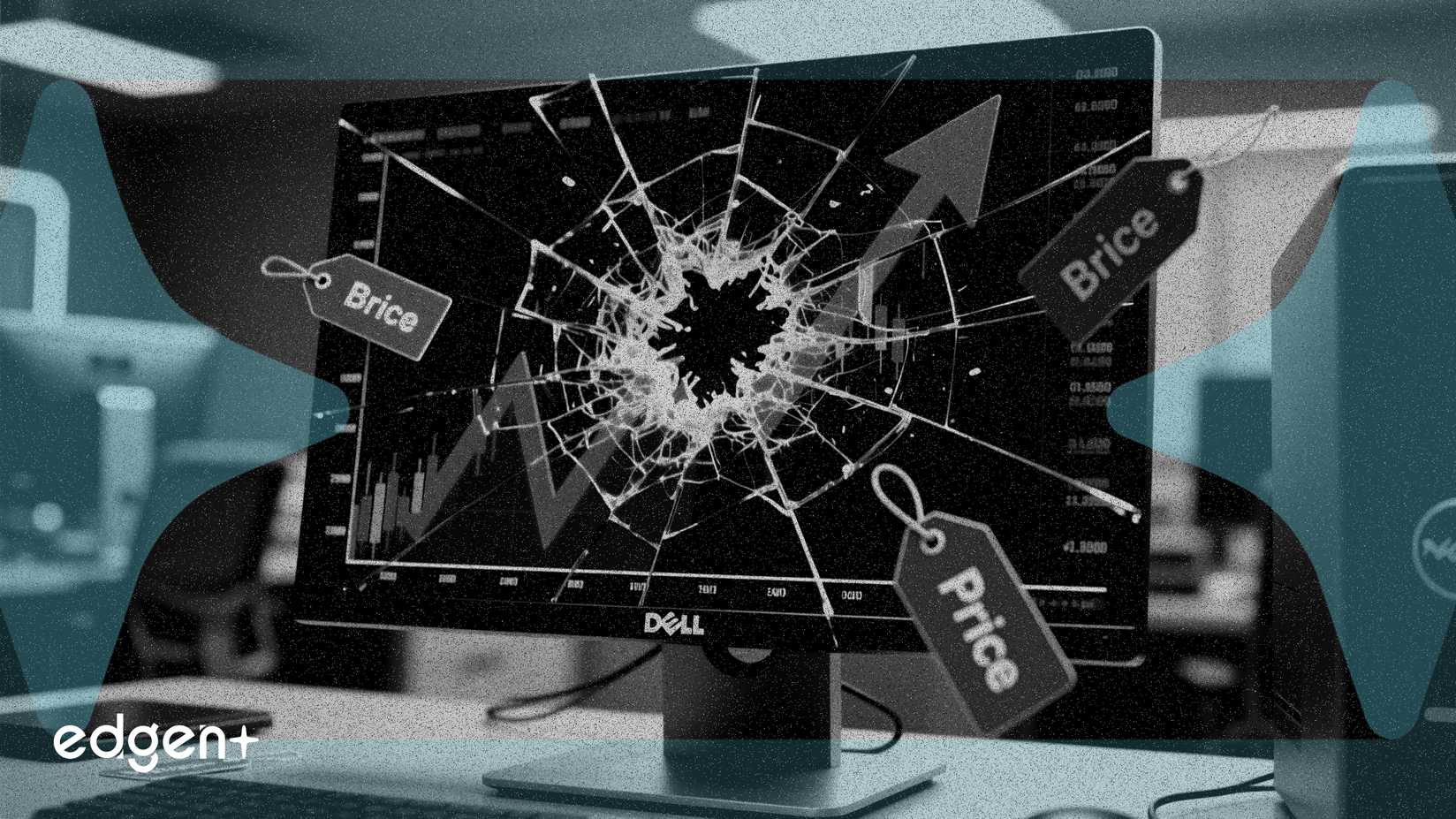
Dell's stock price fell 4% after the company announced price increases for its commercial PCs due to a shortage of memory components.
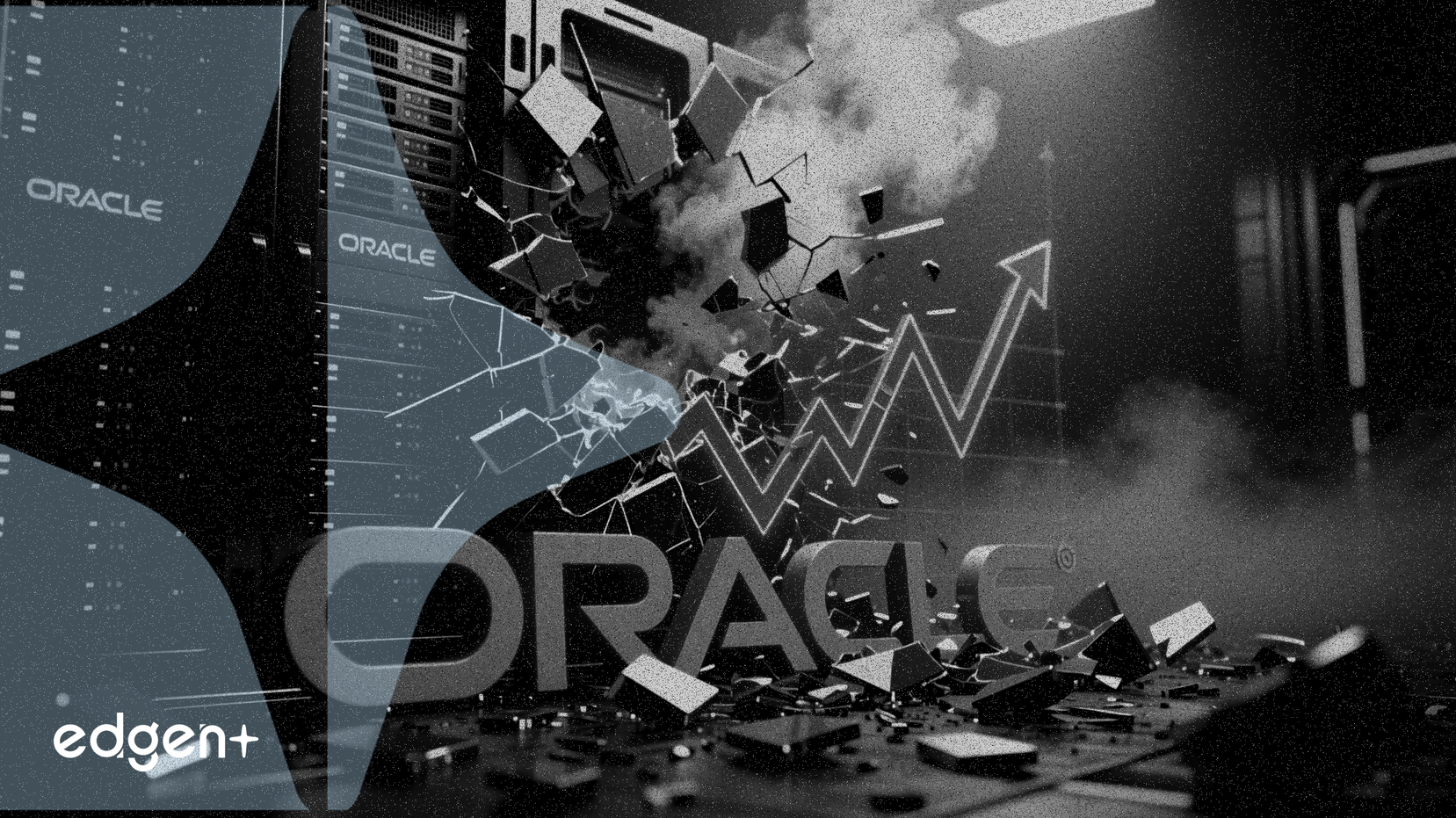
Oracle (ORCL) shares fell nearly 5% after asset manager Blue Owl Capital withdrew from funding a $10 billion data center project, sparking a wider sell-off in AI-related stocks on December 17.
Billionaire investor Dan Loeb's fund, Third Point LLC, increased its holdings in NVIDIA by 2% to 2.85 million shares during the third quarter of 2025, signaling strong conviction in the company's AI-driven growth.
Micron's stock rose after it released strong earnings and guidance on December 17, while major AI-related stocks like Nvidia and Broadcom fell more than 3%.
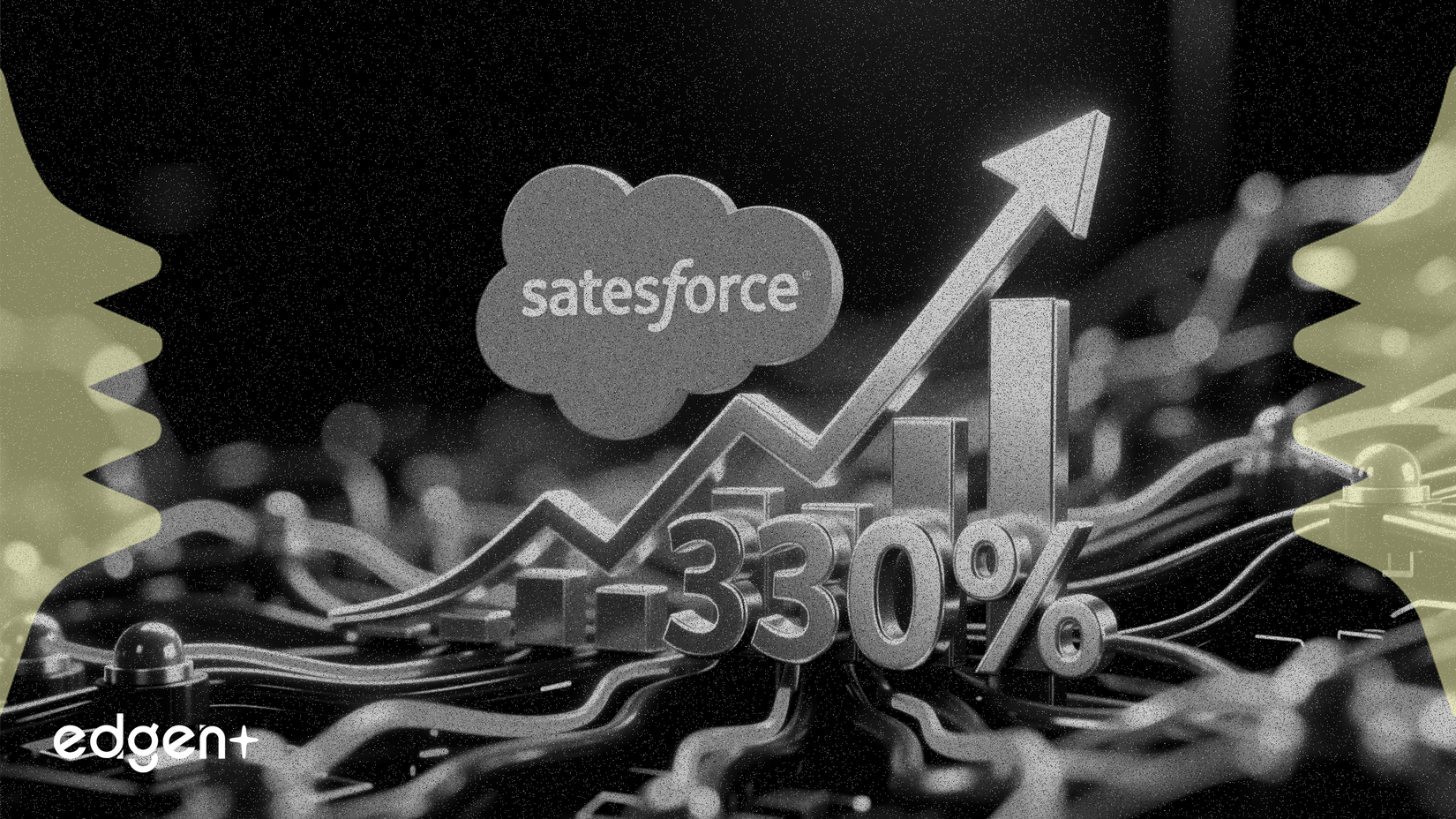
Salesforce is positioned as an undervalued AI play, with its Agentforce product's annual recurring revenue growing 330% year-over-year to $540 million in the third quarter.
Amazon is in talks for a $10 billion investment in OpenAI, a deal contingent on the AI firm using Amazon's proprietary Trainium chips and valuing OpenAI at over $500 billion.
Shares of manufacturing solutions provider Flex fell 4.2% after a U.S. government report showed the unemployment rate rose to 4.6% in November, sparking a broader tech sector sell-off.
The Invesco PHLX Semiconductor ETF (SOXQ) posted a year-to-date gain of 41.02% as of December 16, 2025, driven by its concentrated holdings in top-performing semiconductor stocks.
Broadcom Inc. (AVGO) has garnered strong Wall Street support, with 93% of analysts issuing buy-equivalent ratings and the consensus earnings per share estimate for the current year rising 1.7% to $9.31.
Bank of America identified Nvidia and Broadcom as its top semiconductor stock picks for 2026, citing sustained growth in AI-related infrastructure spending.
Broadcom's $73 billion AI order backlog makes it a more compelling investment than Astera Labs, despite Astera's stronger recent stock performance, with shares gaining 54.6% over the past six months.
Truist raised its price target for Broadcom (AVGO) to $500 after the company reported record Q4 revenue of $18.01 billion, bolstered by a new $11 billion order from AI-startup Anthropic.
Record third-quarter profits for semiconductor firms, driven by the AI boom, are fueling concerns of a market bubble. Investors are now rotating capital from overvalued tech giants to cyclical and small-cap stocks, signaling a potential shift in market leadership.
Leading robotics and AI stocks, including Symbotic, Alphabet, and Tesla, are at a crossroads as investor demand for immediate returns clashes with the slow, complex reality of technological deployment. While chipmakers like Nvidia show strong growth, application-focused firms face pressure to prove their high valuations.