No Data Yet
U.S. tariffs are negatively impacting corporate earnings and global economies, creating headwinds for established companies like Caterpillar and Campbell's. In contrast, technology platforms like Shopify are expanding their market position through strategic integrations with AI and advanced logistics services.
Major food and consumer goods companies are facing sales pressure. Price hikes, implemented to offset inflation and tariffs, are meeting resistance from increasingly cautious consumers, impacting both revenue and margins across the sector.
Monster Beverage's Q3 2025 strategic price increases successfully boosted its gross margin to 55.7% and drove higher profitability. This highlights the critical role of pricing power in a market where competitors face significant consumer resistance and volume declines from similar actions.
The U.S. meat industry is navigating a complex environment where strong consumer demand for protein is offset by severe operational and financial headwinds. Major producers are implementing significant structural changes, including plant closures, in response to escalating costs and margin compression.
Kroger reported a net loss of $1.32 billion despite sales of $33.86 billion, prompting a strategic shift in its e-commerce operations. The grocer is moving away from standalone automated centers to a hybrid model utilizing store-based fulfillment and third-party delivery platforms to adapt to a rapidly growing online grocery market.
Recent warnings from Procter & Gamble's (PG) CFO about a "nervous" and slowing U.S. consumer have validated bearish calls on weaker consumer staples stocks. This pressure comes despite aggressive corporate strategies involving price hikes and significant restructuring.
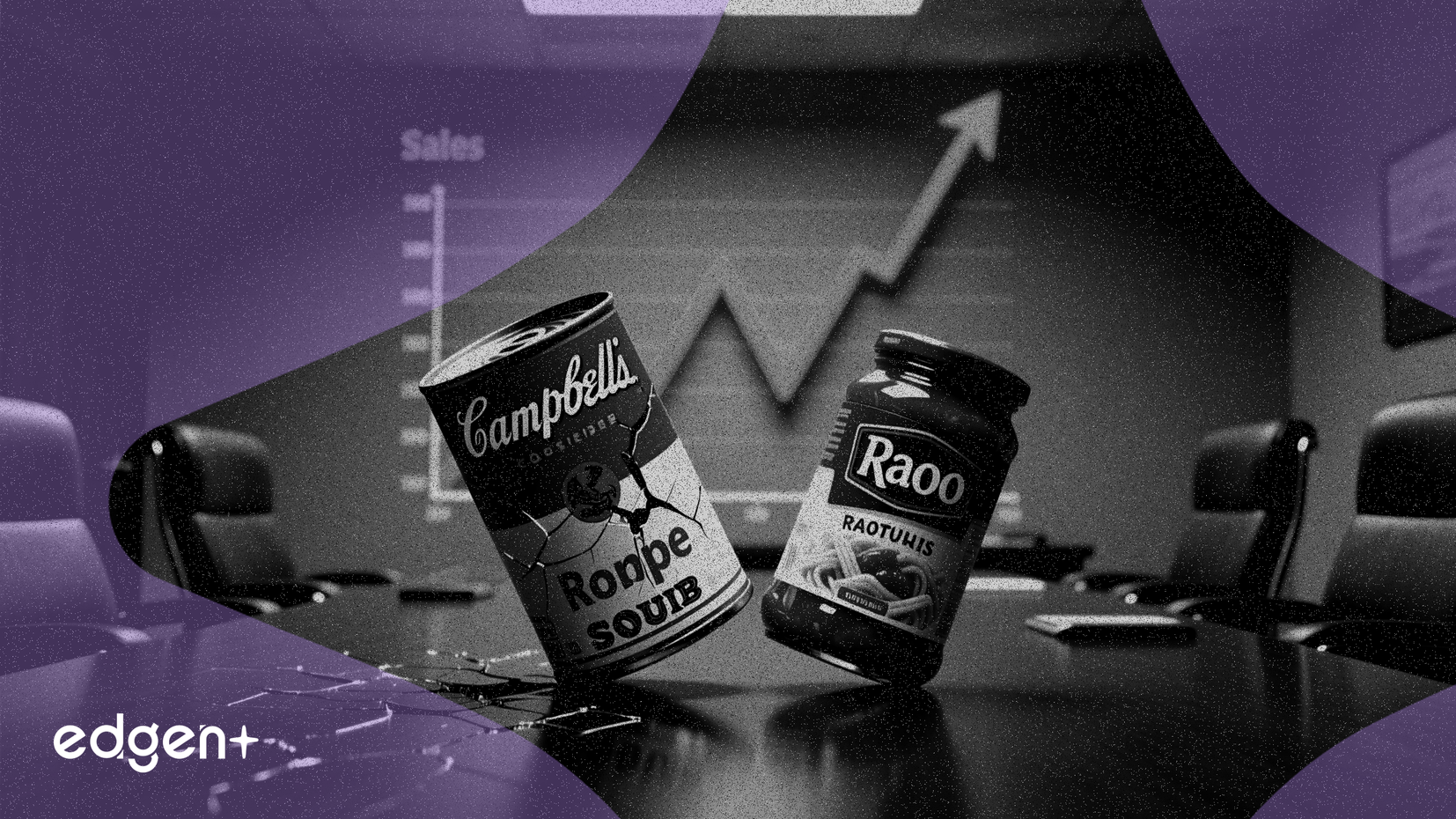
Campbell's Soup Company reported a 3% quarterly sales decline and a 13% drop in adjusted earnings, driven by lower volumes and cost pressures. The company's stock fell 6.2% as it announced a new $286 million investment to increase its stake in the premium Rao's brand.