No Data Yet
Chevron is set to export 1 million barrels of crude oil from Venezuela, marking a significant development in the country's sanctioned oil sector.
S&P 500 companies increased share buybacks by 6.2% to $249.0 billion in Q3 2025, reaching a record $1.020 trillion for the 12 months ending in September.
Chevron has signed a five-year deal to supply Hungary with 2 billion cubic meters of liquefied natural gas, a strategic move to reduce the nation's reliance on Russian energy.
ExxonMobil is leveraging its strong balance sheet, with a debt-to-capitalization ratio of 13.6%, to navigate a 20% year-over-year decline in WTI crude oil prices to $56 per barrel.
GE Vernova's stock fell 10.5% to $614.19, contrasting with broad growth in the green hydrogen sector driven by clean energy incentives.
A U.S. tanker seizure has paralyzed Venezuelan oil shipping, yet Chevron's operations continue, with its stock (CVX) rising 1.89%.
Israel approved a historic $35 billion natural gas export deal to Egypt, which will be operated by Chevron over the next 15 years.
The energy sector gained 6.2% in Q3 2025, driven by a $580 billion surge in AI-related data center investment and resilient oil demand.
With WTI crude prices forecast at $62 for year-end 2026, Chevron's capital discipline and sub-$50 breakeven are favored over ExxonMobil's growth strategy after both lagged the sector's 8% gain in 2025.
A U.S. naval blockade of Venezuela announced on December 16 caused WTI crude futures to rise 1.7% and Brent crude to increase by over 1.5%.
Chevron secured 22 deepwater tracts in the latest Gulf of Mexico lease sale for $33 million, reinforcing its long-term commitment to the region.
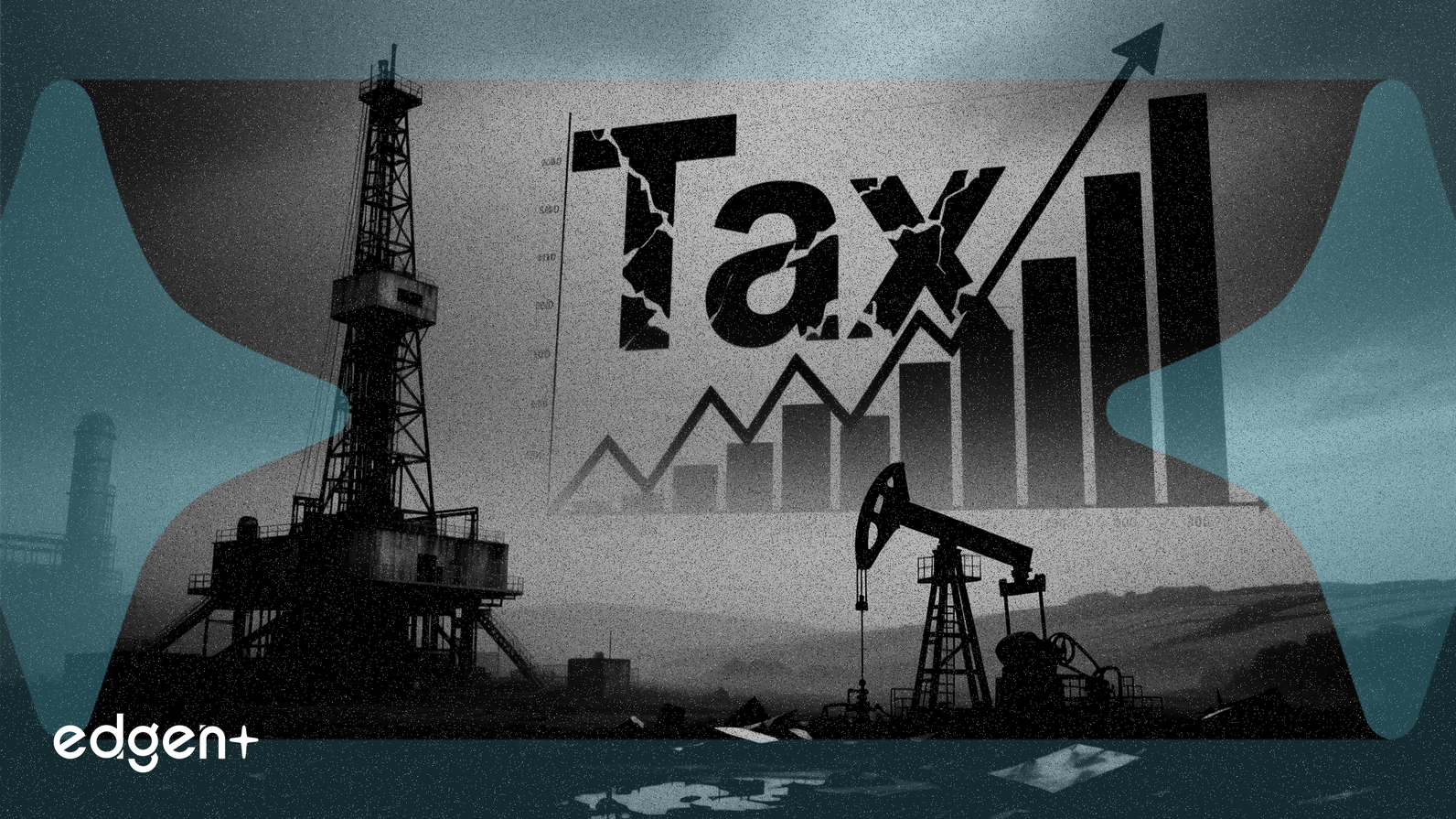
A 78% marginal tax rate is driving a wave of defensive mergers in the UK North Sea as oil production has fallen by more than half since 2020.
Chevron's stock price dropped 2.04% to close at $146.75, a steeper decline than the broader market.
Following the U.S. seizure of a tanker carrying Venezuelan crude, state-run oil company PDVSA is facing demands from customers, primarily in China, for significantly steeper price discounts and revised contract terms. This pressure is compounded by a global market already saturated with discounted oil from Russia and Iran.
The U.S. Treasury yield curve has un-inverted, a historical precursor to recession, intensifying concerns of an economic downturn. While the AI sector provides resilience, underlying weaknesses in the labor market and a slowing global economy present significant risks.
Woodside Energy has secured new drilling rights in the Gulf of Mexico and extracted over 50 million barrels of oil from its Sangomar project in Senegal. The operational successes position Woodside for long-term growth, capitalizing on a broader wave of resource investment across West Africa.
Jefferies forecasts a modest increase in U.S. shale oil production for 2026, led by the Permian Basin. This outlook contrasts with EIA projections for a decline and adds a layer of stability to North American supply amidst global market uncertainties and rising shipping costs.
Kazakhstan's government anticipates a year-end legal decision on the Karachaganak energy project, creating significant uncertainty for international partners Shell, Chevron, and Eni. The outcome could set a major precedent for foreign investment risk in the region.
Bank of America reiterated its "Buy" rating for Chevron (CVX) while trimming the price target to $180, signaling confidence despite a bearish outlook for oil. The endorsement is supported by a major project approval, contrasting with market-wide supply fears and internal leadership questions.
Emerson is enhancing its industrial automation offerings with a new cybersecurity partnership while simultaneously bolstering its reputation for shareholder returns through a significant dividend increase. This dual strategy addresses critical market risks and reinforces its investment appeal.