No Data Yet
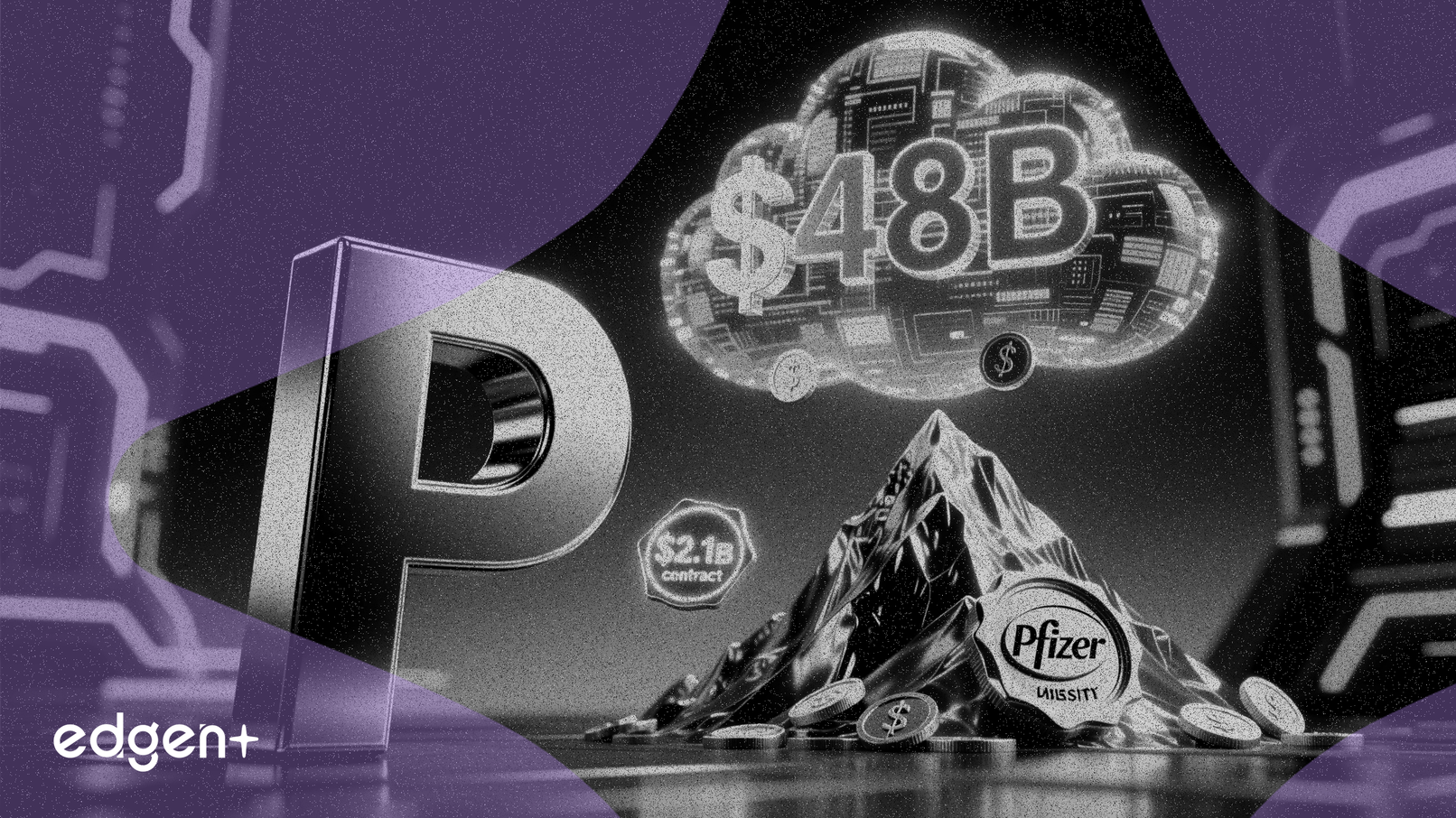
Pfizer signed a $2.1 billion licensing deal with China's YaoPharma to develop a GLP-1 weight loss pill, marking a significant investment to capture a share of the growing obesity treatment market.
China's new commercial drug insurance program will cut the price of Alzheimer's drug Leqembi by up to 50% from its current US$28,400 annual cost, impacting pharmaceutical firms like Eisai and Eli Lilly.
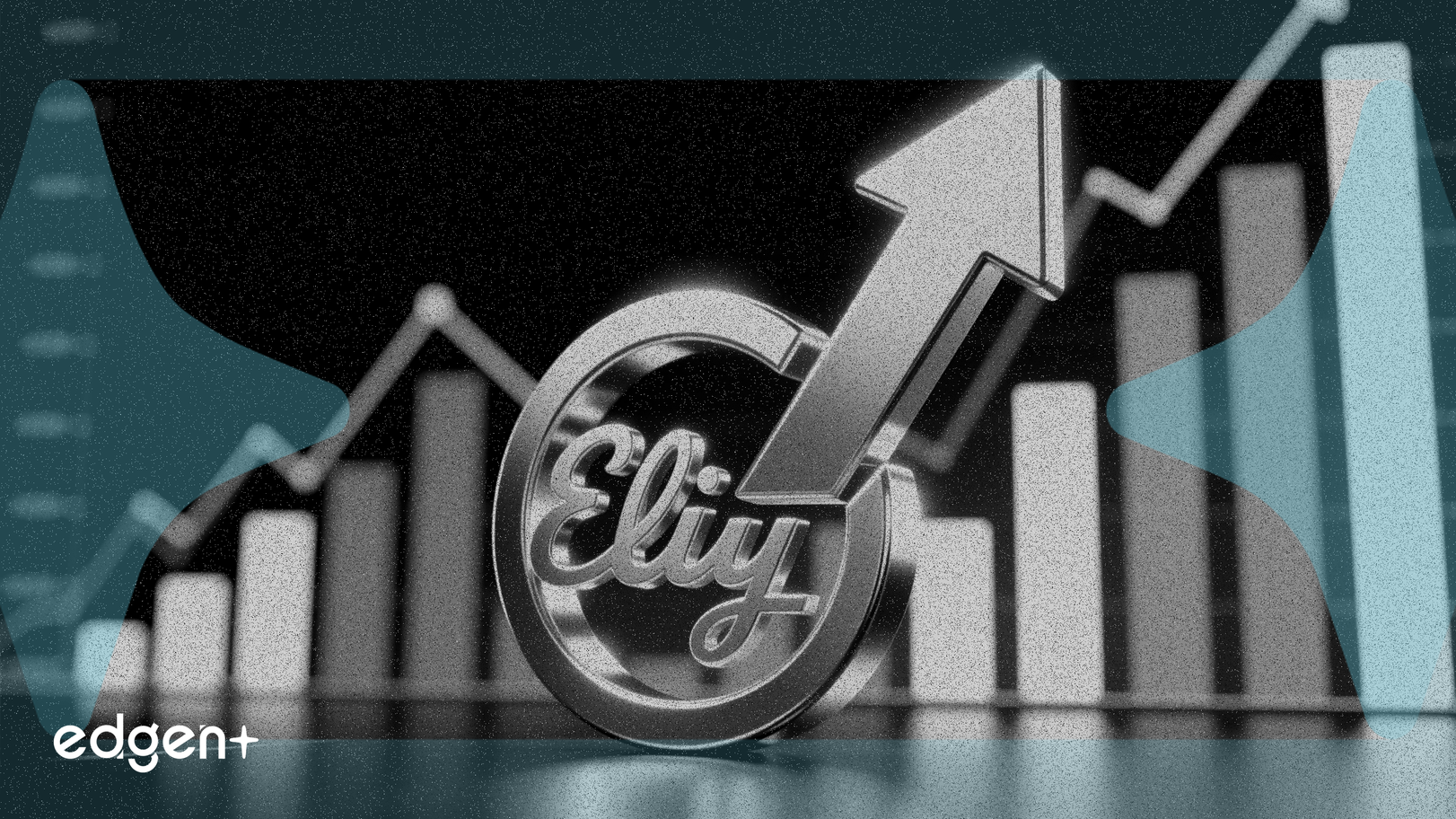
Three major healthcare firms, Eli Lilly, Amgen, and Stryker, announced dividend increases in December 2025, with Eli Lilly leading with a 15.3% hike to its quarterly payout.
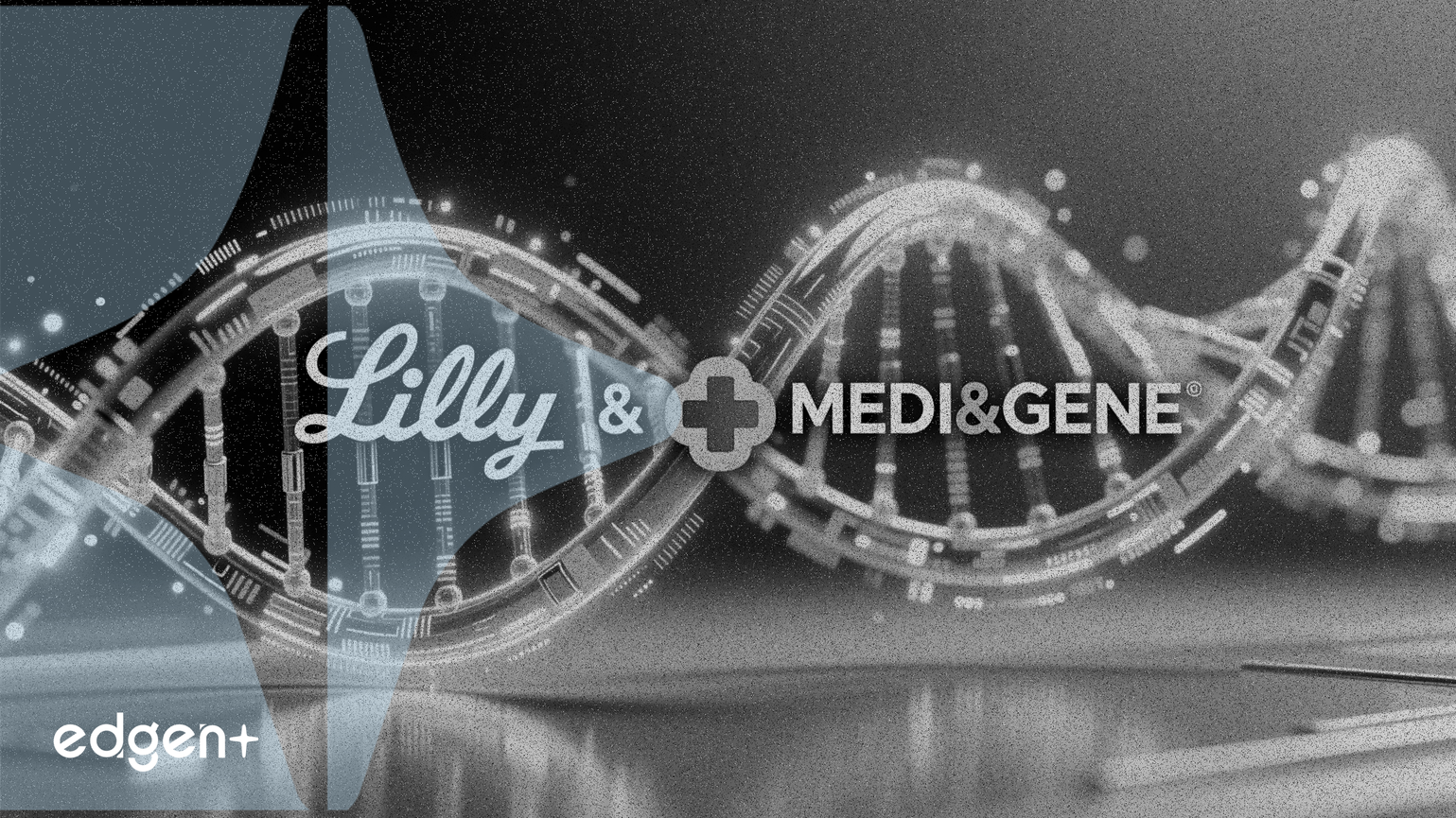
South Korean biopharma MEDI&GENE entered a development agreement with Eli Lilly on December 17 to advance its next-generation obesity therapeutic toward clinical trials.
On December 17, 2025, private oncology firm NanOlogy appointed 35-year pharma veteran David J. Arthur as CEO to accelerate its clinical development pipeline.
The global drug delivery devices market is projected to reach US$450.7 billion by 2035, spurred by surging revenues from biologic drugs that are fueling multi-billion dollar investments in manufacturing capacity from pharmaceutical leaders.
The ulcerative colitis treatment market is projected for significant growth through 2034, driven by a rising prevalence of 1.5 million diagnosed U.S. cases in 2024 and a strong pipeline of novel therapies.
Market expert Coons identified Big Pharma stocks as 'way undervalued' on December 17, highlighting Eli Lilly and Merck as key opportunities despite a 1.19% dip in LLY shares.
Eli Lilly's projected 42% sales growth, driven by its GLP-1 drugs, positions it as a stronger investment than Merck, which faces a 2028 patent cliff for its key drug, Keytruda.
On December 16, 2025, Form Health announced a new partnership with Eli Lilly and Novo Nordisk to offer employers predictable pricing for GLP-1 obesity medications, as only 19% of companies currently cover them due to cost concerns.
Eli Lilly and Company announced CEO David A. Ricks will speak at the J.P. Morgan Healthcare Conference on January 13, 2025, an event closely watched by investors.
Piper Sandler lowered its price target for Constellation Brands (STZ) to $135 from $155, citing risks from the increasing use of GLP-1 weight-loss drugs. This action highlights growing investor concern over the secondary economic impacts of these pharmaceuticals on consumer discretionary sectors.
Gilead's Kite unit reported positive new analysis for its Yescarta cell therapy as a second-line lymphoma treatment, reinforcing its oncology franchise. The win provides a crucial boost as the company navigates a major setback in its lung cancer pipeline, highlighting the high-stakes nature of its diversification strategy.
Abbott Laboratories showcases a strong balance sheet with reduced debt and high interest coverage, presenting a stable profile amid a volatile healthcare sector focused on obesity drugs and policy shifts.
Merck announced an increased dividend to $0.85 per share, creating a 3.4% forward yield. The move signals confidence in its financial stability and commitment to shareholder returns, even as the company faces a new FDA safety review for its RSV antibody treatment, Enflonsia.
HSBC upgraded AbbVie to a "Buy" rating following a strong quarterly report that included higher earnings guidance and a dividend increase, signaling confidence in the company's financial health and market position.
Eli Lilly's stock valuation is under scrutiny following a more than 30% year-to-date price increase. Recent pipeline developments, including promising data for its next-generation obesity drug and a potential fast-track FDA approval for an oral alternative, are fueling both bullish sentiment and questions about whether future growth is already priced in.
Amphastar Pharmaceuticals secured FDA approval for its generic teriparatide injection, a direct competitor to Eli Lilly's osteoporosis drug, Forteo. This approval introduces new competition and potential price pressure in the established osteoporosis treatment market.
U.S. healthcare and pharmaceutical stocks are facing a period of heightened volatility driven by the obesity drug arms race, shifting U.S. policy on healthcare subsidies, and an increasingly dual-natured FDA that is both accelerating approvals and intensifying safety scrutinies. These factors create a complex investment landscape heading into the week of December 15, 2025.
A new front has opened in the multi-billion-dollar obesity drug market. Smaller biotechs are posting strong clinical data for oral treatments, directly challenging the injectable-led duopoly of Eli Lilly and Novo Nordisk and signaling a broader, more competitive platform war.