No Data Yet
Super Micro Computer's stock fell 26.7% over six months, even as its AI GPU platforms grew to contribute over 75% of first-quarter fiscal 2026 revenue.
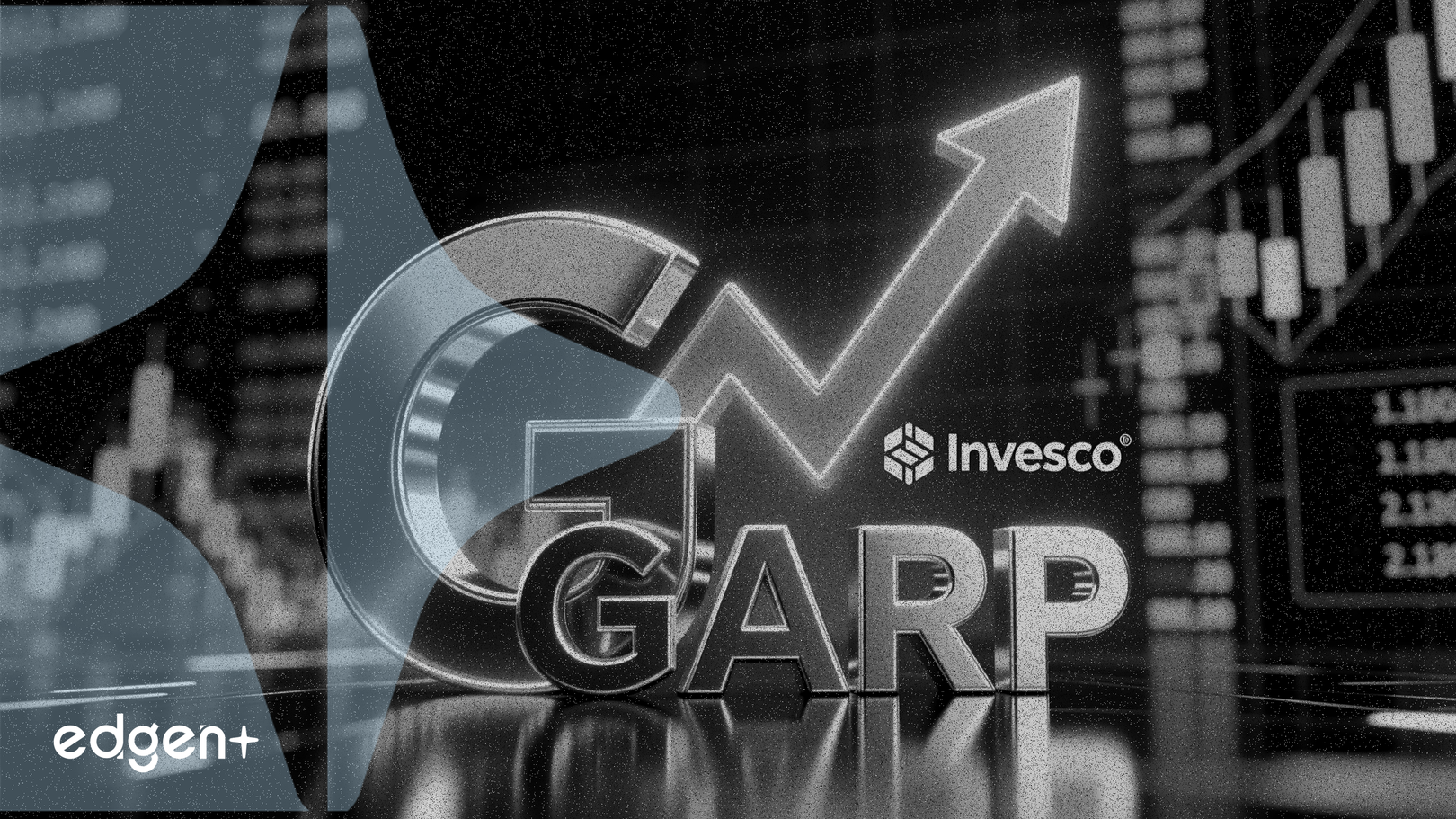
The Invesco S&P 500 GARP ETF (SPGP), a $2.47 billion fund, has gained 10.74% year-to-date by focusing on large-cap growth stocks with reasonable valuations.
Super Micro Computer (SMCI) stock dropped 8% over the past month, contrasting with forecasts for 83.8% year-over-year revenue growth in the current quarter.
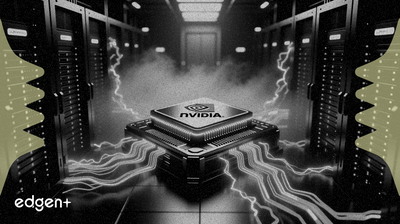
Super Micro Computer Inc. has launched new liquid-cooled server systems designed for NVIDIA's Blackwell platform. This move directly addresses the escalating power and density requirements of AI factories and hyperscale data centers, positioning the company to capitalize on the AI infrastructure boom.
Wall Street analysts are issuing strong "buy" ratings for stocks integral to the AI infrastructure boom, specifically naming Super Micro Computer (SMCI) and Vertiv (VRT) as top picks with significant upside potential, fueled by the soaring demand for data center hardware.
EdgeMode has announced a strategic collaboration with Supermicro and Krambu to develop sustainable, high-performance AI data centers. The move comes as the AI industry faces a looming energy crisis, with soaring electricity demand threatening to strain power grids and increase operational costs, making energy-efficient infrastructure a critical business imperative.
The U.S. Federal Circuit has upheld the validity of a key Netlist patent, reinforcing the company's legal standing in major infringement disputes. The ruling supports a previous $118 million damages award against Samsung and affects ongoing litigation involving other major tech firms.
U.S. stock indices are approaching all-time highs, driven by potent enthusiasm for artificial intelligence and widespread expectations of a Federal Reserve rate cut. This optimism is increasingly tempered by warnings over stretched valuations, the potential for an AI-centric market bubble, and conflicting economic forecasts for 2026.
The relentless expansion of AI computing is creating significant bottlenecks in data center infrastructure, driving massive investment into liquid cooling solutions to manage the heat from next-generation GPUs. This has ignited a specialized market for thermal management technologies.
AI stocks, particularly in the semiconductor sector, are facing increased investor scrutiny as massive capital expenditures fail to translate into proportional free cash flow. This has prompted some "quality" focused ETFs to divest from market leaders, signaling a shift in market sentiment from pure growth to sustainable profitability.
Dell Technologies reported stronger-than-expected earnings and raised its full-year guidance for AI servers, leading to a significant stock price increase. The positive results contrast with competitor HPE, which reported weak revenue and a cautious outlook, highlighting divergent performance in the enterprise AI hardware sector.
While a select group of S&P 500 stocks delivered extraordinary gains in 2025, averaging 145% year-to-date, analysis reveals significant vulnerabilities for certain tech leaders. Investors are beginning to differentiate between business models, favoring recurring revenue streams over those dependent on cyclical capital expenditures, signaling a potential market shift.
U.S. corporate profits, significantly inflated by government spending and consumer debt since 2008, face substantial headwinds from looming fiscal tightening and persistent inflation. While AI investment provides a temporary boost, its cyclical nature introduces new risks, creating a precarious outlook for sustained economic growth.
A divergent K-shaped economy, where the AI-driven tech sector thrives while middle-income consumers face mounting pressure, is forcing corporate behemoths into direct competition for market share. This dynamic creates a volatile environment where companies with recurring revenue models are better insulated than those dependent on large capital expenditures.