No Data Yet
The energy sector gained 6.2% in Q3 2025, driven by a $580 billion surge in AI-related data center investment and resilient oil demand.
With WTI crude prices forecast at $62 for year-end 2026, Chevron's capital discipline and sub-$50 breakeven are favored over ExxonMobil's growth strategy after both lagged the sector's 8% gain in 2025.
ExxonMobil's Fife Ethylene Plant will close in February 2025, placing over 400 jobs at risk after the company failed to receive any viable offers to purchase the facility.
Exxon Mobil's stock has entered a period of uncertain valuation after its price declined 3% in the past month, contrasting with its 10% gain over the last year.
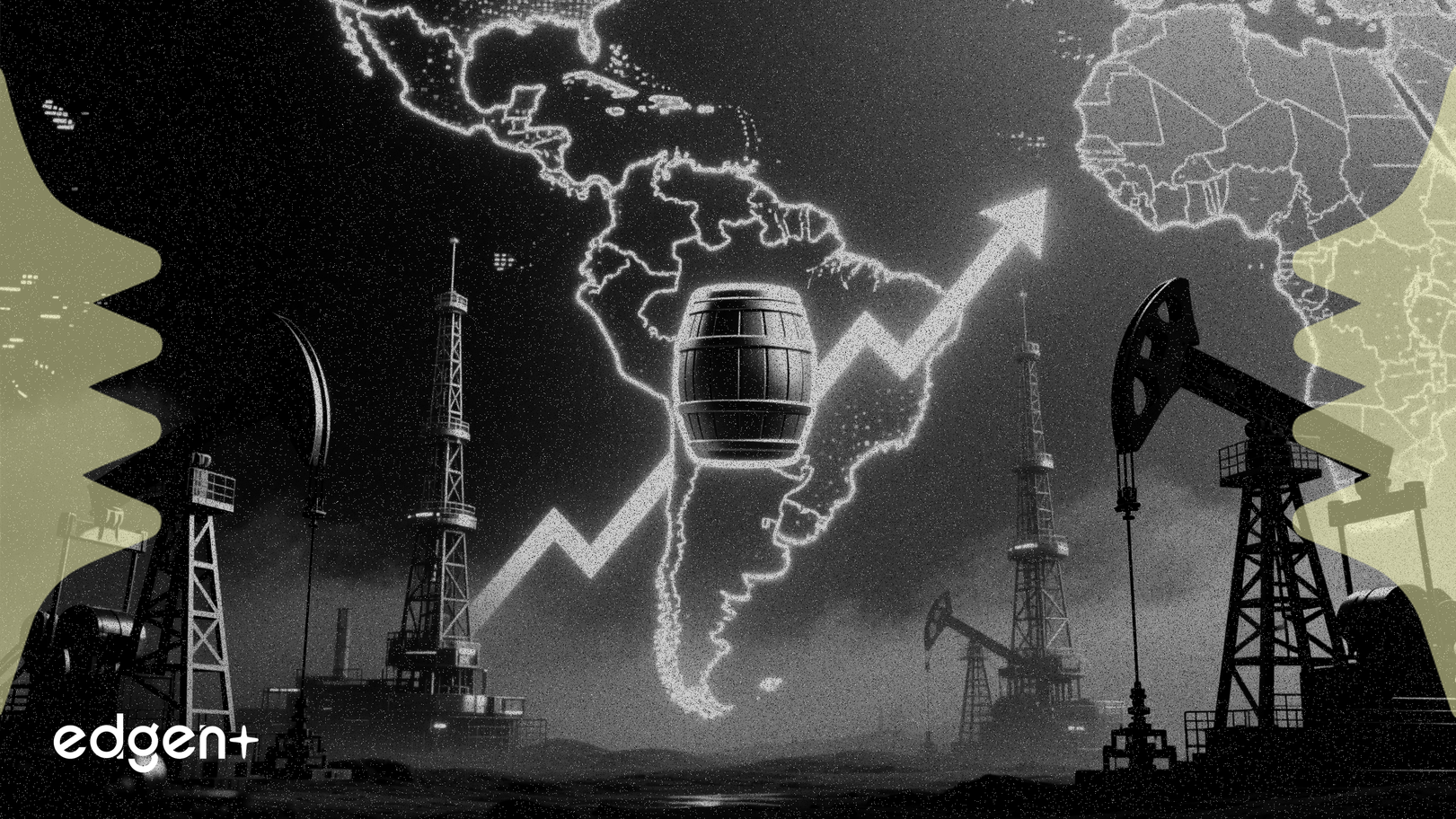
The U.S. Energy Information Administration forecasts that Brazil, Guyana, and Argentina will collectively increase oil production by 400,000 barrels per day, accounting for half of non-OPEC supply growth in 2026.
SBM Offshore extended its contract with ExxonMobil's Angolan subsidiary for two FPSO vessels, Mondo and Saxi Batuque, until 2032.
BP appointed Woodside Energy CEO Meg O'Neill as its new chief executive, causing BP's stock to rise 2.1% while Woodside's fell 1.28%.
Investors remain deeply skeptical of committing capital to Russia's $750 billion market even if a peace deal is signed, citing untenable political, reputational, and economic risks.
On December 16, 2025, software company Infragistics made its Ignite UI library of over 50 enterprise-grade components open source for developers working with Angular, Blazor, React, and Web Components.
Q3 earnings results paint a complex picture of the U.S. corporate landscape, with sectors exhibiting markedly different performance and strategic priorities. While HR technology firms reported robust growth, telecom and insurance giants are navigating mature markets with divergent strategies, reflecting broad economic uncertainty.
Following a significant 81% three-year share price increase for Philip Morris International, investors are scrutinizing the valuations of defensive, dividend-paying stocks and searching for future growth drivers amid shifting market dynamics.
Market analysis for 2026 indicates a strategic shift away from uniform mega-cap tech growth toward cyclical sectors and high-yield dividend stocks, as demonstrated by strong corporate performance and expert forecasts.
The U.S. Treasury yield curve has un-inverted, a historical precursor to recession, intensifying concerns of an economic downturn. While the AI sector provides resilience, underlying weaknesses in the labor market and a slowing global economy present significant risks.
The ProShares S&P MidCap 400 Dividend Aristocrats ETF (REGL) offers investors exposure to mid-cap companies with a history of consistent dividend growth. It presents a targeted strategy for income and value amid a market dominated by mega-cap technology stocks.
Core & Main (CNM) is exhibiting strong financial metrics that significantly outpace its industry averages, highlighting a potential market rotation towards industrial and cyclical stocks as forecasted by major financial institutions.
ExxonMobil's premium stock valuation is under pressure as energy agencies forecast a significant global oil supply glut in 2026. While the company maintains a strong dividend and balance sheet, falling oil prices could directly impact future earnings and profitability.
The ProShares Russell 2000 Dividend Growers ETF (SMDV) offers investors a "smart beta" strategy focused on small-cap companies with a history of consistent dividend increases, providing a potential quality screen in a volatile market segment.
Marvell Technology has declared a quarterly dividend of $0.06 per share, reinforcing its financial stability and commitment to shareholder returns. The move aligns with market expectations and signals continued operational health without indicating a major strategic shift.
A new market report projects the global thermoformed plastics market will reach $28.86 billion by 2032, growing at a 7.66% CAGR. This contrasts sharply with the broader chemical industry, which faces significant headwinds from oversupply and restructuring.
Disney's $1 billion OpenAI partnership and legal action against Google underscore tech's momentum. This contrasts sharply with industrial sectors like chemicals, which face plant shutdowns and persistent weak demand, signaling a broad market divergence.